
Building homes from the floor up
Up to 3 FREE Samples
Lino and vinyl are often confused for one another. In this article, we’ve broken down their differences – how they’re made, how they perform, and where they belong in your home.
People often ask, is linoleum the same as vinyl, and yet they couldn’t be much more different. Lino (short for linoleum) and vinyl are two completely distinct types of flooring, with names that are frequently used interchangeably. The main difference between lino and vinyl is that lino is natural and vinyl is manmade. So what is linoleum made from? Lino comes from linseed oil, pine rosin, wood or cork flour and limestone, usually affixed to a jute backing. Vinyl, on the other hand, is a synthetic material made from PVC. As the name suggests, LVT (Luxury Vinyl Tiles) is a vinyl product.
In the UK, people historically mix up lino with cheap sheet vinyl, which is where some of the linoleum vs vinyl confusion begins. Lino’s natural origins can sometimes seem surprising.
Let’s look exactly at what is lino flooring. Made of oils, rosins and limestone, linoleum is completely natural and therefore biodegradable and sustainable. Its native colours run through the material, meaning that wear and tear shows less. But unfortunately linoleum isn’t especially durable and it can dent easily. It’s also sensitive to standing moisture and alkaline cleaners.
Vinyl (including LVT) is more robust, more resistant to dents and scratches and has no sensitivity to normal cleaning products. Because vinyl is PVC-based – a printed design layer under a clear wear layer – it offers more design freedom and many options of colours, patterns and styles.
Of all the rooms in the house, kitchens take the most punishment. Consider spills, dropped pans, scraped chairs and extreme temperature changes from ovens, fans and underfloor heating. Choosing lino for kitchen flooring is not a great idea since linoleum chips and scrapes easily. While it’s water-resistant, kitchen lino is not fully waterproof and standing water can cause it to curl, warp or even damage the subfloor.
Luvanto luxury vinyl tiles are 100% waterproof and suited to kitchens. Their impressive durability – coming from a 0.55mm wear layer – and ability to handle dents and scratches gives them an advantage over lino. Thanks to its PU surface, LVT is also warmer underfoot than lino, providing additional cosyness and comfort.
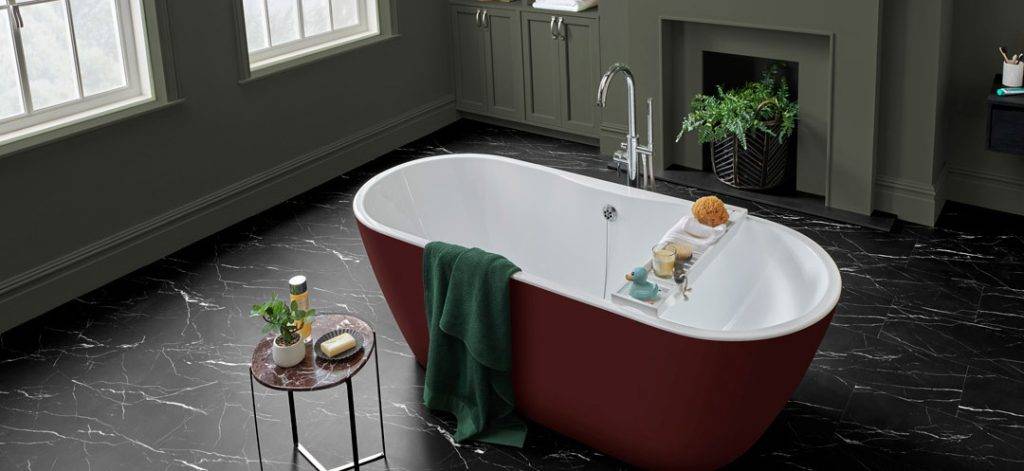
Lino is not waterproof, and so bathroom lino flooring is a bad idea – let’s look instead at LVT in that part of the home.
Luvanto LVT is 100% waterproof and perfect for bathrooms – standing water or mopping causes no damage. However, as with any LVT where joints aren’t sealed, it’s good practice to mop spills up promptly so that water doesn’t reach the subfloor.
Please note that LVT is unsuitable for and should never be used in wetrooms or shower enclosures.
If you’re searching for herringbone lino flooring, wood effect lino, patterned lino, or grey, or black lino flooring, know that while all of those options exist, LVT is the product to deliver the look properly.
Vinyl’s printed design layer creates patterns and styles in stone, wood and tile effect that are indistinguishable from the real thing, and Luvanto offers a huge range of colours, styles and design options to suit every space. Discover Luvanto’s Wood Effect Flooring, Herringbone Flooring and Premium Patterns, all of which boast at least a 25-year domestic warranty to ensure long-lasting quality.
When all’s said and done, choosing vinyl flooring vs linoleum flooring is quite simple. If natural materials and sustainability are your priority, and – crucially – if your space will stay dry, pick real linoleum flooring. If you want water resistance, a realistic wood or stone look, and flooring that can handle a busy kitchen or a family bathroom, then it has to be LVT.
Want to know more about LVT? Visit Luvanto for up to 3 free samples either online, or visit your nearest showroom
Recently Viewed
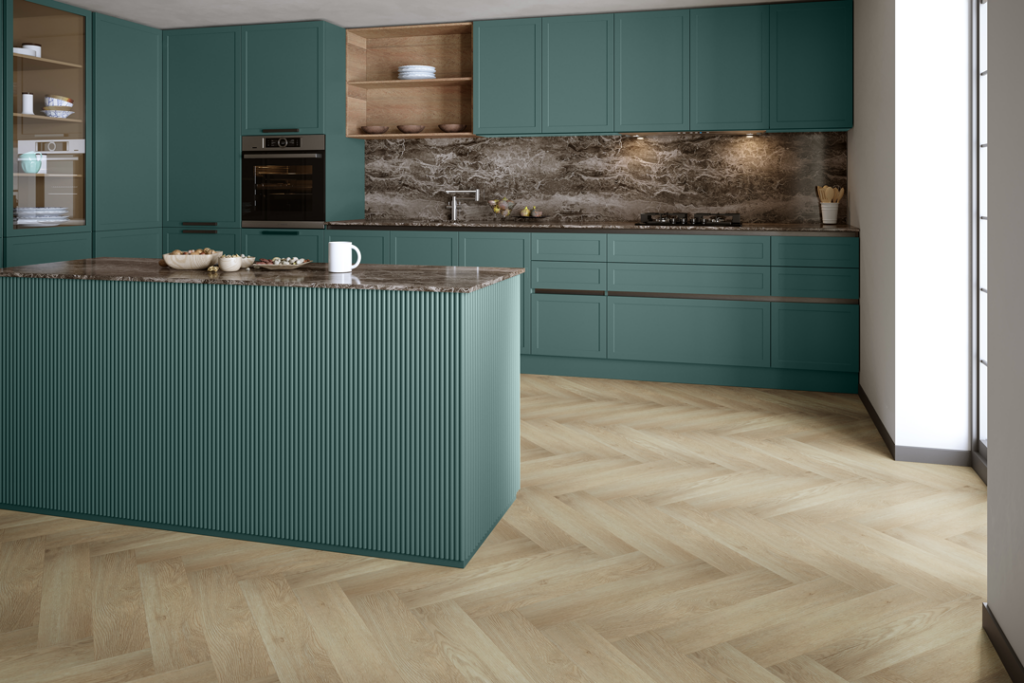
White Oak Herringbone Flooring
White Oak Herringbone Flooring
Answer
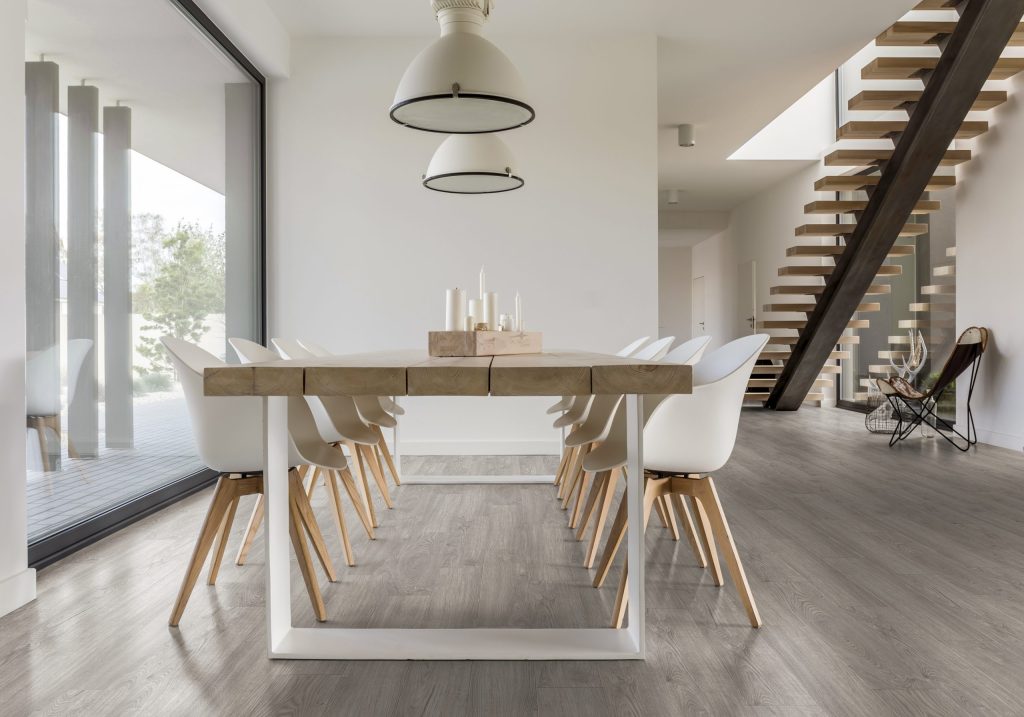
Winter Oak Flooring
Winter Oak Flooring
Answer
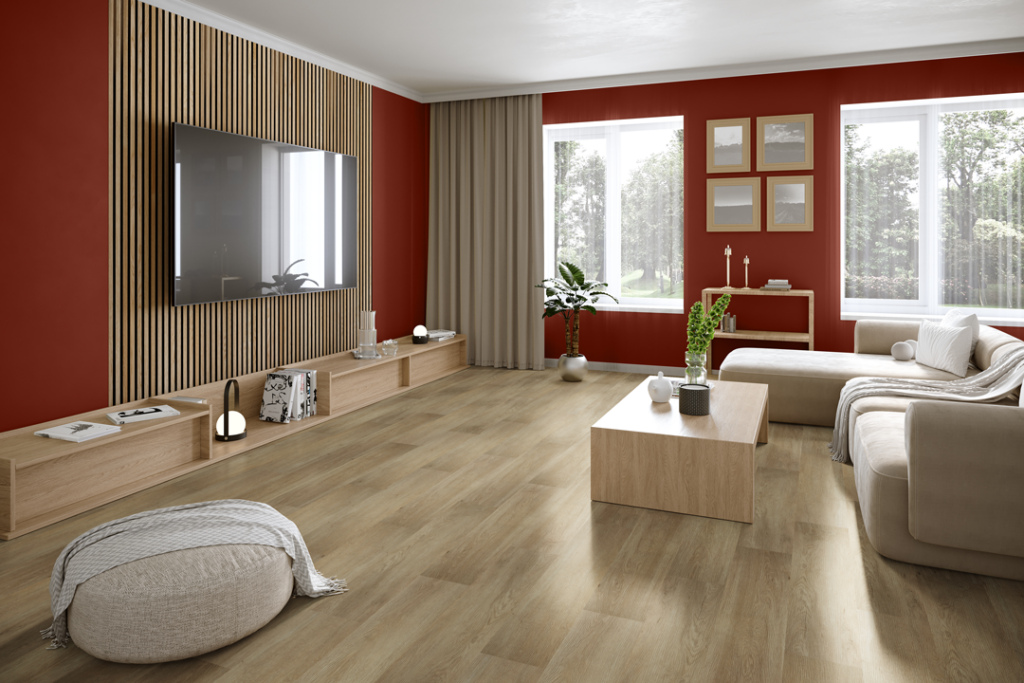
White Oak Flooring
White Oak Flooring
Answer
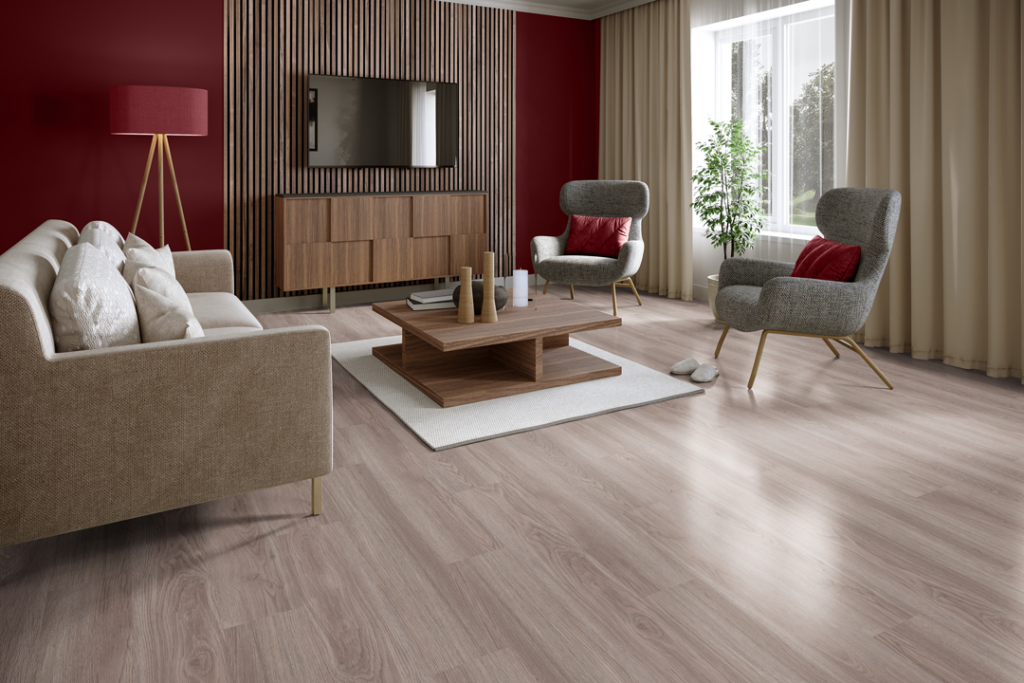
Pearl Oak Flooring
Pearl Oak Flooring
Answer
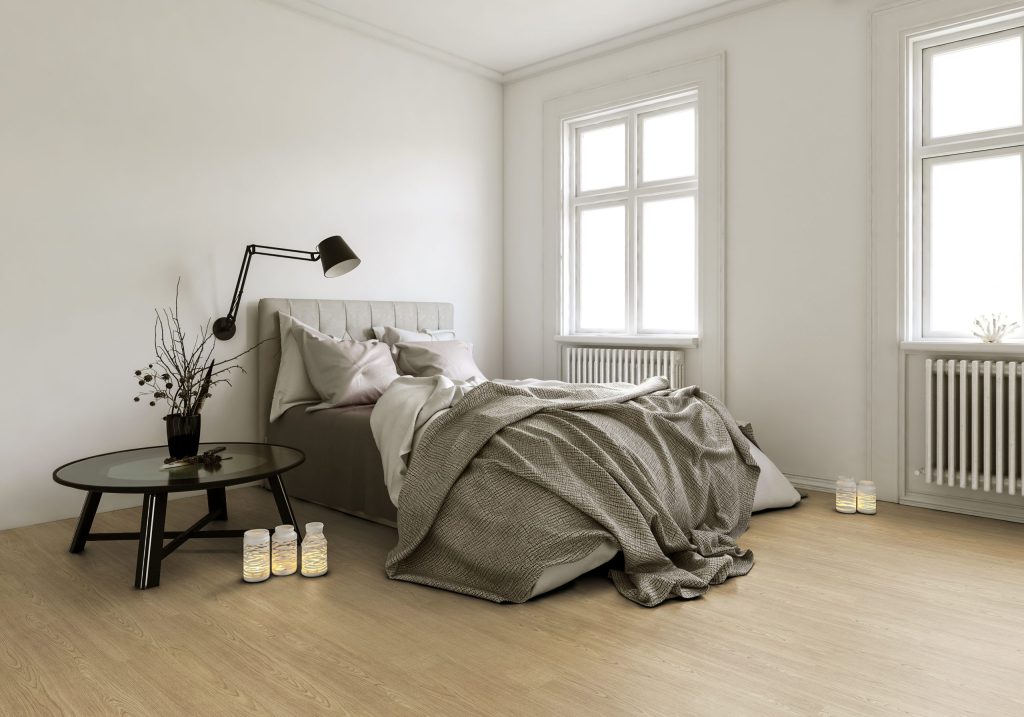
Natural Oak Flooring
Natural Oak Flooring
Answer
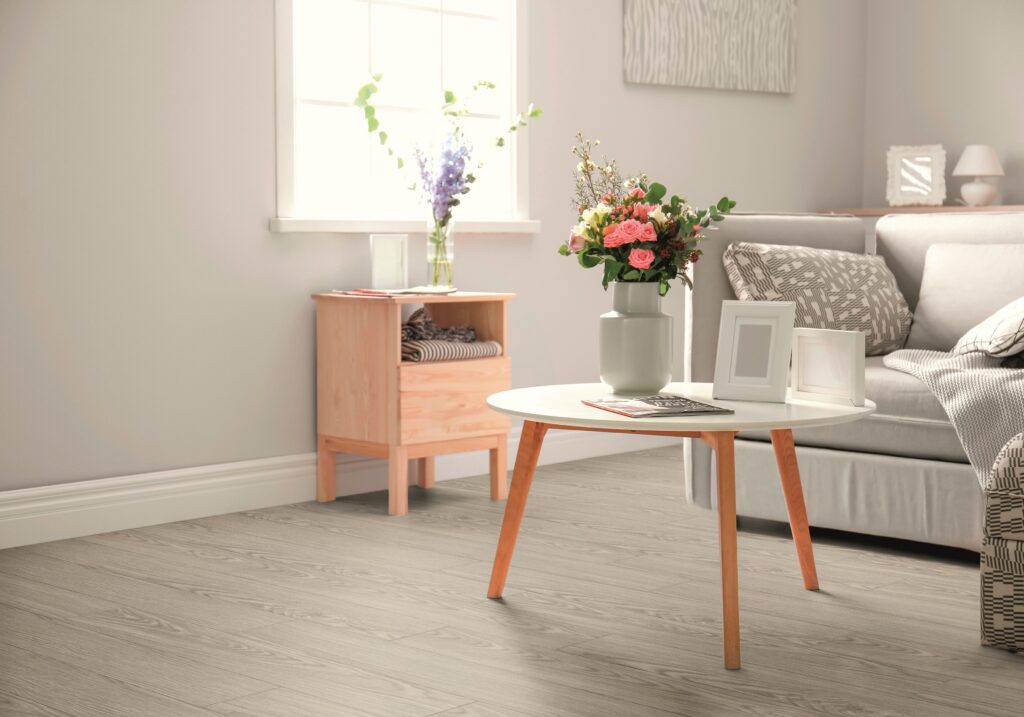
Lakeside Ash Flooring
Lakeside Ash Flooring
Answer
Related Articles
Best Flooring for Kitchens: A Complete Guide
How to Reduce Footstep Noise Between Floors
The Best LVT Floor Cleaner: What to Use (and What to Avoid)
Marble Effect LVT Flooring: How to Get the Luxury Stone Look
Can LVT Flooring Get Water Damaged? Prevention and Solutions Explained
Pets vs. Floors: Hardwood vs. LVT – Which is Better for Pet Owners?
Clay Earth
Midnight Olive
Coastal Cottage
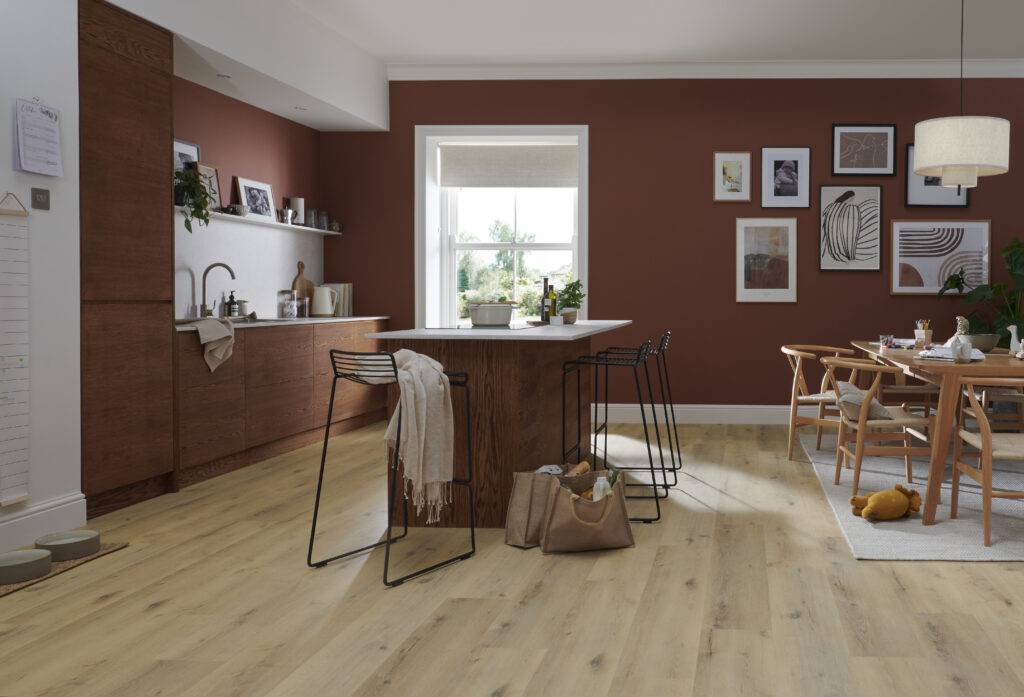
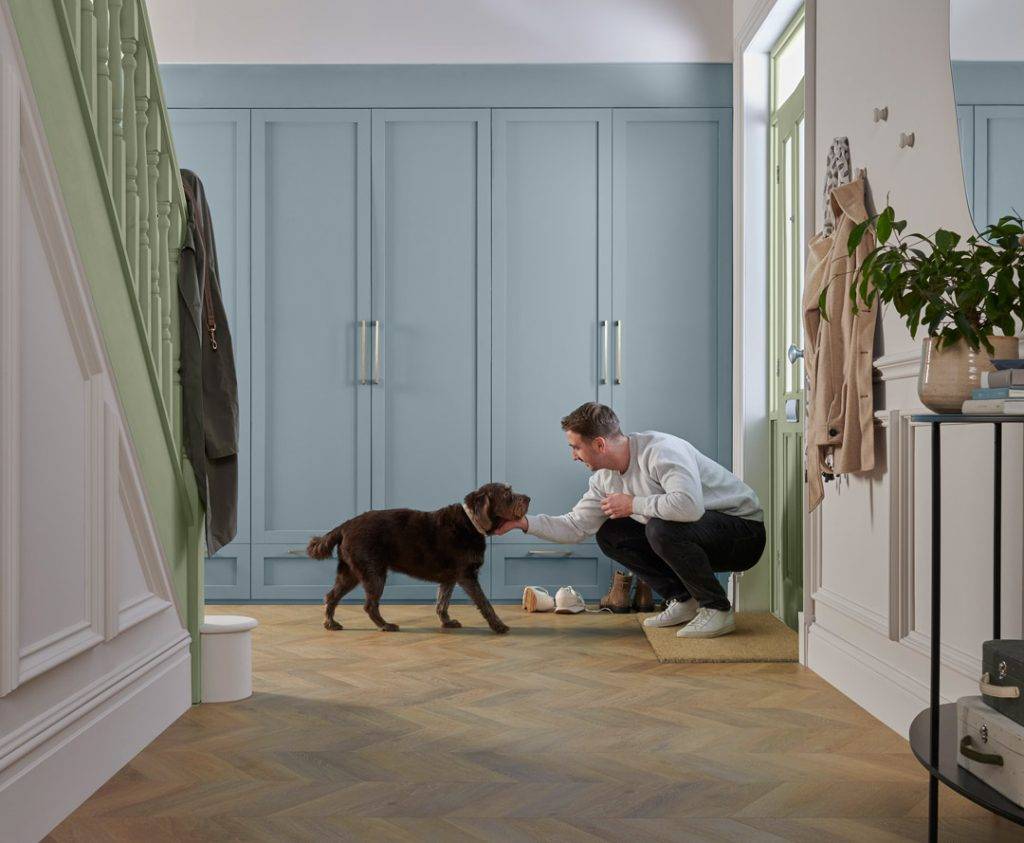

Trends come and go but a Luvanto floor is forever.
Keep your interiors looking show-home worthy with our colour and trend inspiration. As experts in colour forecasting and pairings, we match the latest trends and colours with each of our flooring shades so you can stay tickled pink with your décor all year round.
| Cookie | Duration | Description |
|---|---|---|
| cookielawinfo-checkbox-analytics | 11 months | This cookie is set by GDPR Cookie Consent plugin. The cookie is used to store the user consent for the cookies in the category "Analytics". |
| cookielawinfo-checkbox-functional | 11 months | The cookie is set by GDPR cookie consent to record the user consent for the cookies in the category "Functional". |
| cookielawinfo-checkbox-necessary | 11 months | This cookie is set by GDPR Cookie Consent plugin. The cookies is used to store the user consent for the cookies in the category "Necessary". |
| cookielawinfo-checkbox-others | 11 months | This cookie is set by GDPR Cookie Consent plugin. The cookie is used to store the user consent for the cookies in the category "Other. |
| cookielawinfo-checkbox-performance | 11 months | This cookie is set by GDPR Cookie Consent plugin. The cookie is used to store the user consent for the cookies in the category "Performance". |
| viewed_cookie_policy | 11 months | The cookie is set by the GDPR Cookie Consent plugin and is used to store whether or not user has consented to the use of cookies. It does not store any personal data. |
Building homes from the floor up
Up to 3 FREE Samples