
Building homes from the floor up
Up to 3 FREE Samples
Footstep noise between floors is one of the most common complaints in flats, apartments and multi-storey homes. Whether it’s children running upstairs, heavy footsteps in the hallway or furniture being moved around, impact noise can quickly become frustrating for everyone involved.
The good news is that while it’s difficult to eliminate noise completely, the right flooring choices can make a significant difference. In this guide, we’ll explain what causes footstep noise, how floor soundproofing works and which flooring solutions offer the best results.
Not all household noise is the same. When discussing soundproofing between floors, it’s important to understand the difference between impact noise and airborne noise.
Airborne noise includes sounds such as conversations, televisions, music and barking dogs. These sounds travel through the air before passing through walls, ceilings or floors.
Footstep noise is different. It falls into the category of impact noise, alongside dropped objects, dragged furniture and other physical contact with the floor surface. Rather than travelling through the air, impact noise travels through the structure of the building itself.
Every footstep creates a small vibration. That vibration passes through the floor covering, into the subfloor beneath and then through the ceiling structure of the room below. Because the sound is carried through solid materials, it is often much harder to block than airborne noise.
The flooring surface plays a role in how much vibration is created, while the subfloor and floor construction influence how much of that vibration continues through the building.
It’s also important to set realistic expectations. Even the best sound insulation between floors won’t make impact noise disappear entirely. However, with the right combination of flooring and underlay, you can dramatically reduce footstep noise and create a noticeably quieter home.
In short, yes.
When it comes to noise reducing flooring, the combination of flooring type and underlay is where the biggest improvements are made.
Traditionally, soft floor coverings such as carpet have been considered the best option because they absorb some of the impact before it reaches the floor structure. Hard surfaces such as laminate, wood and LVT can transmit more vibration when installed directly onto a subfloor without any acoustic layer beneath.
However, modern flooring technology has changed the picture considerably.
Hard flooring paired with a high-quality acoustic underlay can often match or even outperform some carpet installations when it comes to reducing impact noise. This means homeowners no longer have to choose between practicality and acoustic performance.
When comparing products, one of the most useful measurements to look for is the dB reduction rating. This indicates how many decibels of impact noise the underlay can reduce.
To put this into perspective, a reduction of around 10dB is generally perceived as making noise roughly half as loud. Even relatively modest improvements can therefore make a substantial difference to everyday living.
Whether you’re choosing acoustic vinyl flooring, laminate or engineered wood, paying attention to the underlay specification is just as important as selecting the flooring itself.
Acoustic underlay is one of the most effective tools available for floor soundproofing.
Installed between the subfloor and the finished flooring, it acts as a damping layer that absorbs and disperses the energy created by footsteps. Instead of allowing vibrations to pass directly into the building structure, the underlay helps reduce the amount of energy that reaches the floor below.
It’s worth noting that not all underlay is designed for sound reduction.
Standard foam underlay is often chosen for thermal insulation or additional comfort underfoot. While it may provide some minor acoustic benefits, it is not specifically engineered for impact noise control.
Acoustic underlay is denser and designed specifically for soundproofing applications. The materials used help absorb vibrations more effectively, resulting in better sound insulation underlay performance.
For LVT and laminate flooring, acoustic underlays are available in a range of thicknesses and dB ratings. Generally speaking, denser and higher-performing products offer greater sound reduction. That said, even a mid-range acoustic underlay can create a noticeable improvement in everyday footstep noise.
If you’re fitting LVT, see our guide on whether you need underlay for LVT flooring to understand which products work best with different installation methods.
Not all flooring performs equally when it comes to floor noise insulation. Here are the most effective options to consider:
Carpet remains one of the strongest performers for impact noise reduction. The soft fibres absorb energy at the surface before vibrations reach the subfloor below. When combined with a quality acoustic underlay, carpet can provide excellent sound deadening between floors.
The downside is that carpet isn’t suitable for every room. Kitchens, bathrooms and busy family spaces often benefit from more durable and water-resistant flooring options.
Luxury Vinyl Tile has become one of the most popular choices for homeowners looking for soundproof flooring without sacrificing practicality.
When paired with an acoustic underlay, modern LVT systems can achieve impressive sound reduction ratings. At the same time, they deliver all the benefits that make LVT so popular: waterproof performance, durability, easy maintenance and a wide choice of realistic wood and stone designs.
For many households, acoustic vinyl flooring offers the ideal balance between noise reduction and everyday practicality.
Laminate flooring works on a very similar principle. Combined with the correct acoustic underlay for laminate, it can significantly reduce impact noise while providing the appearance of natural wood.
The main limitation is moisture resistance. Unlike LVT, laminate is not fully waterproof, which can restrict where it is installed within the home.
Engineered wood can also perform well when installed with appropriate acoustic underlay. It offers the beauty of real wood while helping improve sound insulation between floors. However, it typically comes with a higher price point than laminate or LVT, making it a premium option.
If noise reduction is a priority, this is the option to avoid. Hard flooring installed directly onto a subfloor allows impact vibrations to travel freely through the structure. In flats and apartments especially, this can lead to significant noise transfer between properties.
Soundproof flooring for flats often requires additional thought.
In England and Wales, building regulations set the minimum standards for sound insulation between floors in new-build properties. While these requirements don’t generally apply when replacing flooring in an existing flat, they provide a useful benchmark for what good acoustic performance looks like.
The installation method also matters.
Floating floors, including many click LVT and laminate systems, are often well suited to flats because they are not rigidly fixed to the subfloor. This slight separation helps reduce the transfer of impact noise through the structure.
If neighbour noise is the main concern, it’s worth remembering that soundproofing floors in flats works most effectively from the source of the noise. Upgrading the floor above with acoustic flooring is usually far more effective than trying to soundproof the ceiling below. Some leasehold properties or management companies have specific acoustic requirements when changing flooring.
Where possible, open communication with neighbours can help ensure expectations are managed and everyone benefits from the improvements.
Even the best flooring products can underperform if they’re installed incorrectly.
Always match the underlay to the flooring type. Acoustic underlay for laminate is designed differently from underlay intended for vinyl flooring or carpet. Using the correct system ensures the best possible sound reduction performance.
Small gaps around the edges of a room can allow sound to travel around the flooring system. This is known as flanking transmission. Fitting skirting boards tightly and using appropriate finishing trims can help minimise these sound pathways.
For click LVT and laminate installations, it’s important to maintain the recommended expansion gap around the perimeter. Fixing boards tightly against walls can create rigid contact points that transmit vibration more easily. Allowing the floor to float properly helps preserve its acoustic benefits.
In situations where maximum soundproofing is required, an additional acoustic layer such as a rubber mat can sometimes be installed beneath the underlay. For most residential properties, however, a quality acoustic underlay combined with the correct flooring will provide more than enough sound reduction.
Yes. Acoustic underlay is specifically engineered to absorb impact energy before it passes into the floor structure. A quality acoustic underlay installed beneath LVT or laminate can significantly reduce perceived footstep noise, often making it seem up to half as loud.
Carpet with a thick acoustic underlay has traditionally been regarded as the strongest performer for impact noise reduction. However, modern LVT and laminate systems paired with high-rated acoustic underlays now offer excellent soundproofing performance while providing greater durability, water resistance and ease of maintenance for everyday living.
Recently Viewed
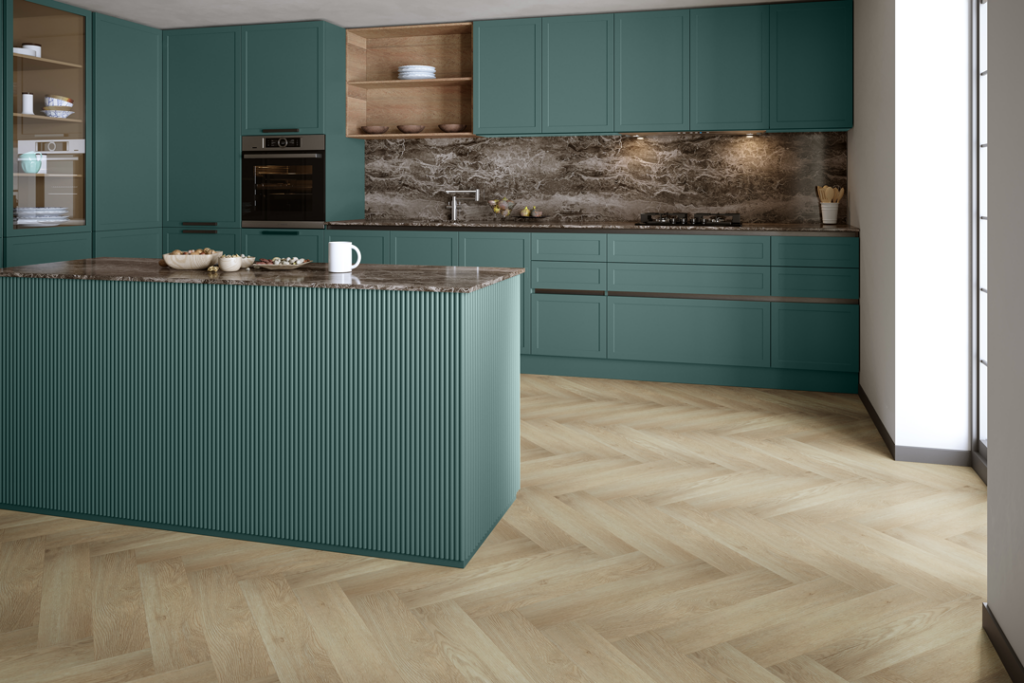
White Oak Herringbone Flooring
White Oak Herringbone Flooring
Answer
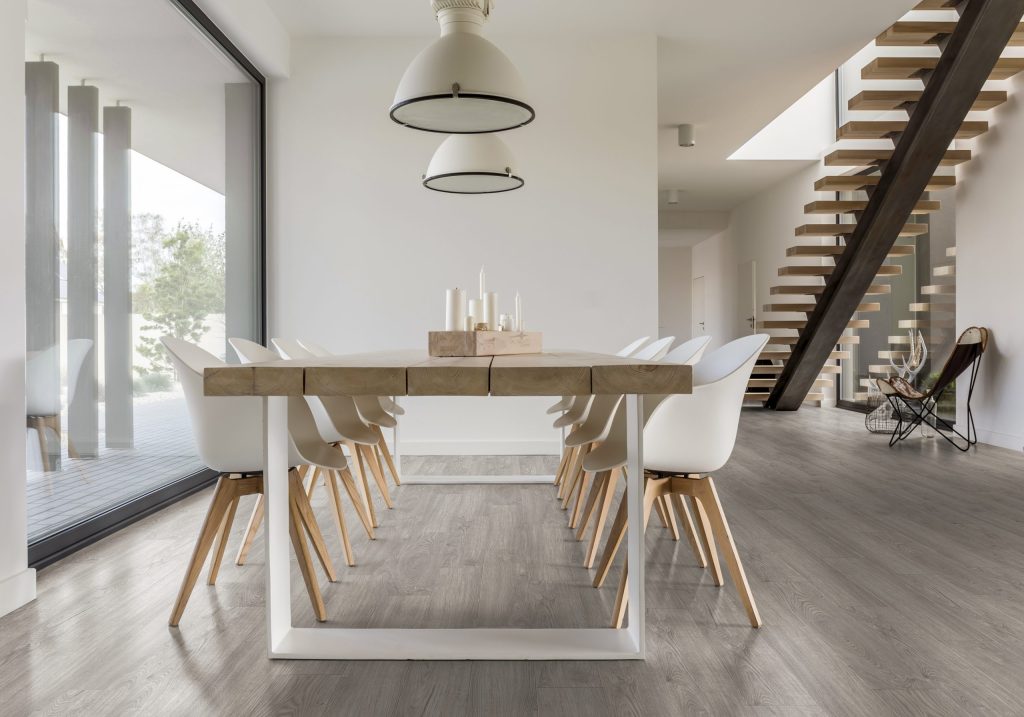
Winter Oak Flooring
Winter Oak Flooring
Answer
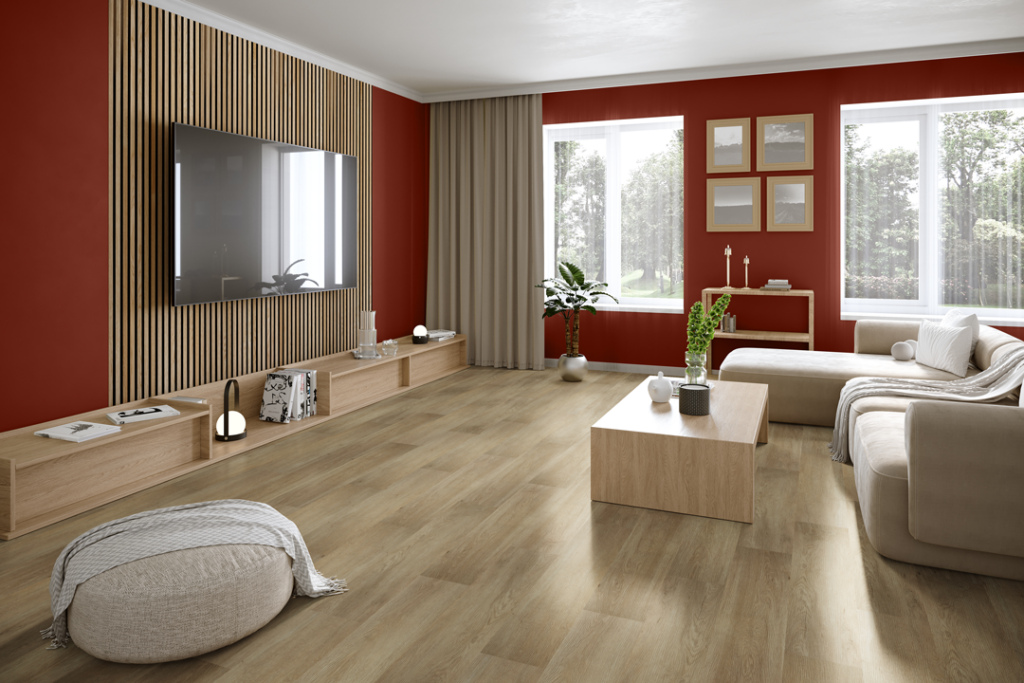
White Oak Flooring
White Oak Flooring
Answer
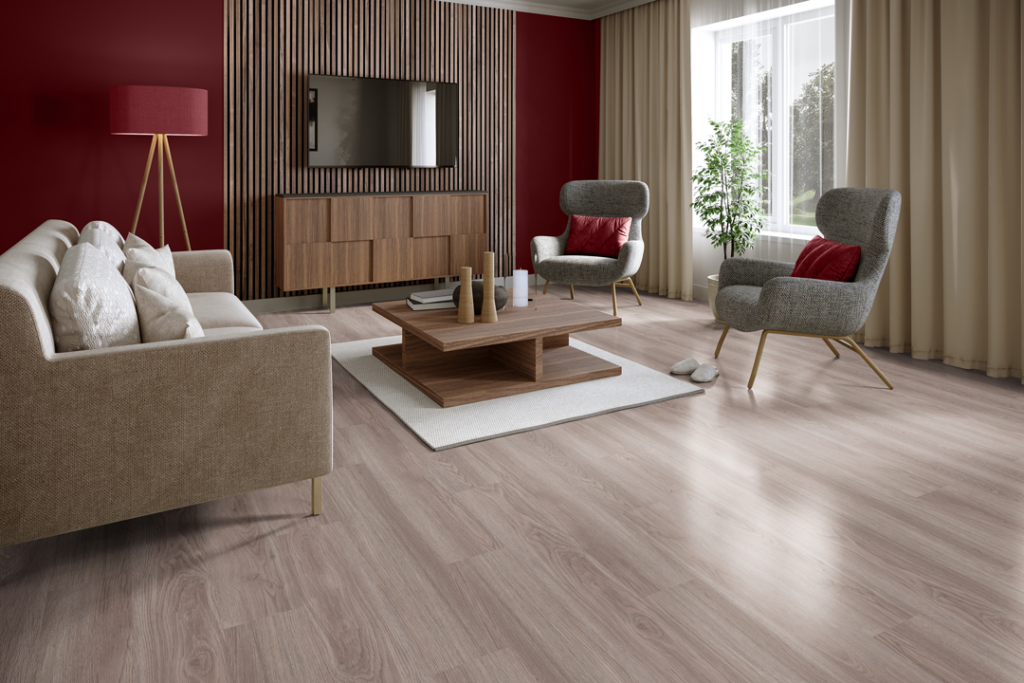
Pearl Oak Flooring
Pearl Oak Flooring
Answer
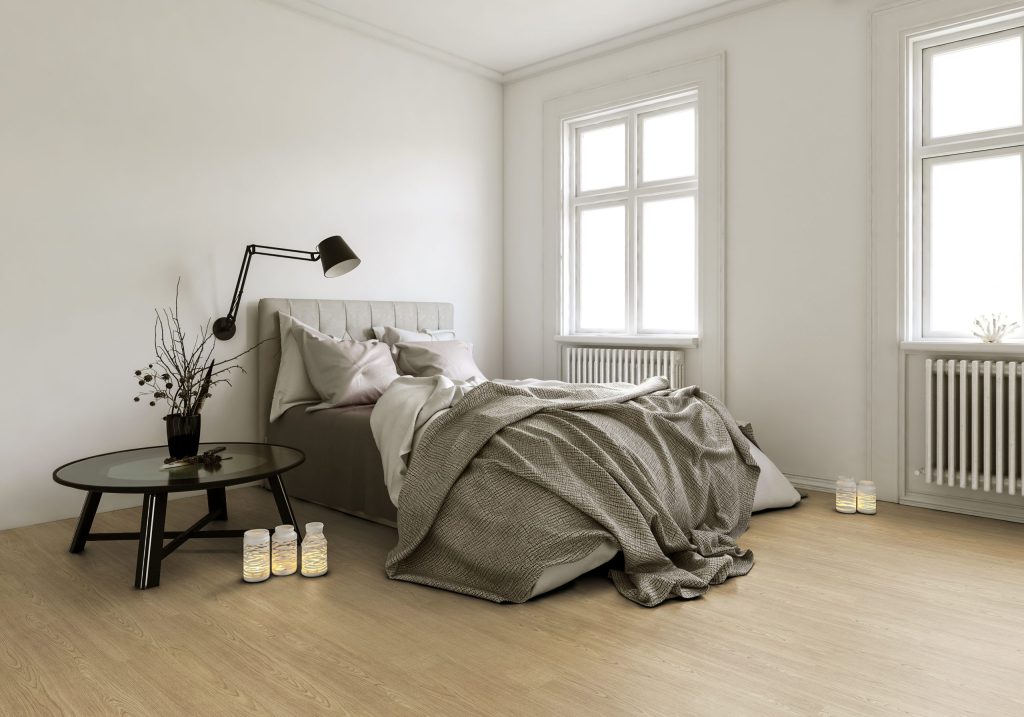
Natural Oak Flooring
Natural Oak Flooring
Answer
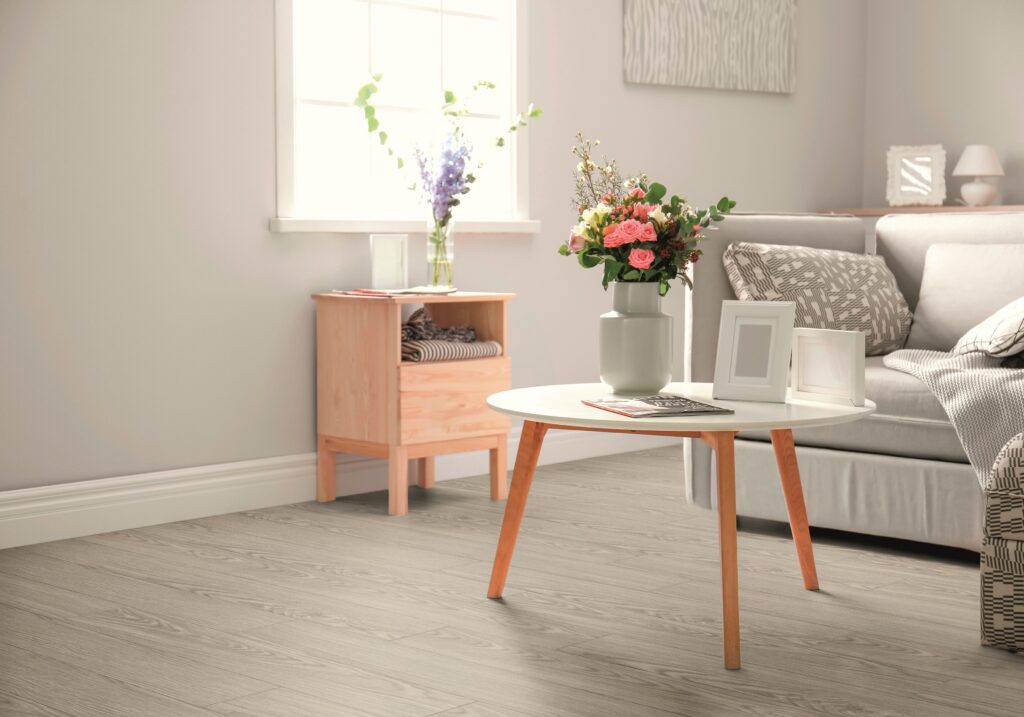
Lakeside Ash Flooring
Lakeside Ash Flooring
Answer
Related Articles
Lino vs Vinyl Flooring: What’s The Difference?
Best Flooring for Kitchens: A Complete Guide
The Best LVT Floor Cleaner: What to Use (and What to Avoid)
Marble Effect LVT Flooring: How to Get the Luxury Stone Look
Can LVT Flooring Get Water Damaged? Prevention and Solutions Explained
Pets vs. Floors: Hardwood vs. LVT – Which is Better for Pet Owners?
Clay Earth
Midnight Olive
Coastal Cottage

Trends come and go but a Luvanto floor is forever.
Keep your interiors looking show-home worthy with our colour and trend inspiration. As experts in colour forecasting and pairings, we match the latest trends and colours with each of our flooring shades so you can stay tickled pink with your décor all year round.
| Cookie | Duration | Description |
|---|---|---|
| cookielawinfo-checkbox-analytics | 11 months | This cookie is set by GDPR Cookie Consent plugin. The cookie is used to store the user consent for the cookies in the category "Analytics". |
| cookielawinfo-checkbox-functional | 11 months | The cookie is set by GDPR cookie consent to record the user consent for the cookies in the category "Functional". |
| cookielawinfo-checkbox-necessary | 11 months | This cookie is set by GDPR Cookie Consent plugin. The cookies is used to store the user consent for the cookies in the category "Necessary". |
| cookielawinfo-checkbox-others | 11 months | This cookie is set by GDPR Cookie Consent plugin. The cookie is used to store the user consent for the cookies in the category "Other. |
| cookielawinfo-checkbox-performance | 11 months | This cookie is set by GDPR Cookie Consent plugin. The cookie is used to store the user consent for the cookies in the category "Performance". |
| viewed_cookie_policy | 11 months | The cookie is set by the GDPR Cookie Consent plugin and is used to store whether or not user has consented to the use of cookies. It does not store any personal data. |
Building homes from the floor up
Up to 3 FREE Samples