
Building homes from the floor up
Up to 3 FREE Samples
The kitchen is one of the hardest-working rooms in any home. From morning coffee spills and muddy paw prints to family dinners and busy weekday routines, your flooring needs to cope with a lot more than just looking good. Choosing the right kitchen flooring can feel overwhelming with so many materials, styles, and technical specifications available.
This guide breaks down the best kitchen flooring options, what features matter most, and which flooring performs best for different lifestyles, helping you choose a floor that’s as practical as it is beautiful.
Not all flooring is designed to handle the unique demands of a kitchen. Before comparing kitchen flooring material options, it’s worth understanding the key qualities that separate great kitchen flooring from flooring better suited to other rooms.
1. Waterproofing
Kitchens are exposed to regular spills, splashes, and standing water around sinks, dishwashers, and appliances. Flooring that can withstand moisture without swelling, warping, or staining is essential.
2. Slip Resistance
Wet floors happen in every kitchen. Whether it’s a dropped drink, water from the sink, or enthusiastic little helpers making a mess, slip-resistant flooring helps create a safer environment for the whole family.
3. Durability
Kitchen floors experience constant foot traffic, chair movement, dropped utensils, and occasionally heavier impacts from pots and pans. Durable flooring will resist scratches, dents, and everyday wear.
4. Ease of Cleaning
The easier your floor is to maintain, the better. Kitchens attract crumbs, grease, pet hair, and spills, so choosing a surface that can be cleaned quickly without specialist products makes daily life much easier.
5. Comfort Underfoot
Many of us spend long periods standing in the kitchen preparing meals, entertaining guests, or helping with homework at the breakfast bar. A floor that feels comfortable underfoot can make a noticeable difference.
6. Aesthetics
Modern homes increasingly feature open-plan layouts where kitchens flow into dining and living spaces. Your flooring needs to perform in the kitchen while complementing the style of adjoining rooms.
There are several kitchen flooring types available, each with its own strengths and weaknesses.
LVT combines durability, waterproof performance, comfort, and realistic design. Available in wood-effect and stone-effect styles, it’s designed to replicate natural materials while providing superior practicality for busy homes.
Ceramic and porcelain tiles are highly durable, waterproof, and available in a huge variety of styles. However, they can feel cold and hard underfoot, and grout lines often require ongoing maintenance.
Laminate is a popular budget-friendly option that offers attractive wood-effect finishes. While modern laminate is durable, it is generally water resistant rather than fully waterproof, making prolonged moisture exposure a potential issue.
Natural wood flooring brings warmth and character to a kitchen. However, it requires more maintenance than other options and can be susceptible to moisture damage if not properly cared for.
Traditional vinyl sheet flooring and lino are affordable and moisture-resistant solutions. While practical, they typically don’t offer the same durability, realism, or premium appearance as modern luxury vinyl tile.
When weighing up kitchen flooring options pros and cons, LVT is one of the few materials that successfully delivers waterproof performance, comfort, durability, easy maintenance, and attractive aesthetics in a single solution.
When homeowners ask us about the best kitchen flooring, LVT consistently stands out as one of the most practical and stylish choices available.
Unlike laminate, LVT is 100% waterproof, making it ideal for busy kitchens where spills are inevitable. It won’t swell, warp, or become damaged when exposed to moisture.
Comfort is another major advantage. Compared with ceramic or porcelain tiles, luxury vinyl kitchen flooring feels warmer and softer underfoot, making it more comfortable during long periods of standing and cooking.
Modern LVT also delivers exceptional design flexibility. Advanced printing and embossing technologies allow premium products to accurately replicate the appearance and texture of natural wood and stone. This means you can enjoy the aesthetic appeal of traditional materials without the maintenance concerns.
A common misconception is that all vinyl flooring looks cheap. In reality, there’s a significant difference between basic vinyl and premium LVT. High-quality products feature realistic embossed textures, detailed design layers, and durable wear layers that protect against scratches, scuffs, and everyday wear.
At Luvanto, our ranges are designed to stand up to the demands of family life while maintaining their appearance for years to come. Combined with a lifetime warranty and quick click-fit installation options, LVT offers exceptional long-term value.
Whether you’re drawn to timeless wood-effect designs or contemporary stone-inspired finishes, there’s a Luvanto floor suitable for every kitchen style.
Waterproof kitchen flooring isn’t just a nice-to-have it’s often one of the most important considerations for busy households.
It’s important to understand the difference between water-resistant and waterproof flooring. Water-resistant products can cope with occasional surface moisture, but prolonged exposure may still cause damage. Waterproof flooring, on the other hand, remains unaffected by standing water.
This is where LVT excels. As a fully waterproof flooring solution for kitchens, it can handle everyday spills, splashes, and accidents without compromising its performance or appearance.
Cleaning is equally straightforward. Kitchen vinyl flooring requires no specialist treatments, polishing, sealing, or buffing. In most cases, a sweep and a damp mop are all that’s needed to keep it looking its best.
By comparison, real wood often requires specific cleaning products and careful moisture management, while grout lines between ceramic tiles can trap grease, dirt, and food debris over time.
For detailed product-specific maintenance advice, visit Luvanto’s Floor Care and Cleaning page.
If your family includes four-legged members, your flooring needs to be as pet-friendly as it is family-friendly.
Many homeowners searching for the best flooring for a kitchen with dogs are looking for three key qualities: scratch resistance, easy cleaning, and good grip.
LVT performs strongly across all three areas. Its durable wear layer helps protect against scratches from claws, while its waterproof surface makes muddy paw prints and water bowl spills easy to clean up.
Compared with laminate, which can show scratches more readily, or polished ceramic tiles, which may become slippery, LVT offers a practical balance of durability and traction.
If you’re specifically choosing flooring with pets in mind, take a look at our dedicated flooring for dogs guide for more detailed advice.
Underfloor heating has become increasingly popular in modern kitchen renovations, creating a warm and comfortable living space without the need for visible radiators.
Not all flooring materials perform equally well with underfloor heating systems. Thick carpets can reduce efficiency, while some solid wood floors may expand and contract with temperature changes.
LVT is one of the best kitchen flooring options for underfloor heating because it has low thermal resistance, allowing heat to pass through efficiently into the room.
As with any flooring installation, it’s important to follow the manufacturer’s guidance regarding underfloor heating compatibility and maximum operating temperatures. Luvanto products are designed with underfloor heating compatibility in mind, helping homeowners enjoy warmth and comfort without compromising flooring performance.
For subfloor preparation and installation guidance, explore our information on Jumpax Basic.
Open-plan living continues to be one of the most popular home design trends, but it introduces a unique flooring challenge.
Your floor needs to withstand kitchen spills and heavy traffic while still looking appropriate in adjoining dining and living areas. Ideally, it should flow seamlessly throughout the space to create a cohesive look.
This is where LVT truly shines.
Available in large-format planks and tiles, LVT can run continuously through multiple rooms without the need for distracting transitions. Wood-effect LVT is particularly popular in open-plan homes because it brings warmth and character while maintaining all the practical benefits required in a kitchen.
The result is a floor that feels consistent, stylish, and functional throughout the entire living space.
For more inspiration on flooring that works across connected areas of the home, take a look at our conservatory flooring guide.
1. What is the most durable kitchen flooring?
LVT with a thick wear layer is one of the most durable flooring options available for kitchens. It resists scratches, dents, moisture, and everyday wear while remaining comfortable underfoot. Porcelain tiles are also highly durable but can feel harder and colder, and are often more complex to install. Luvanto’s LVT ranges come with a lifetime warranty for added peace of mind.
2. Is vinyl flooring good for kitchens?
Yes. Luxury vinyl tile (LVT) is particularly well suited to kitchens because it’s waterproof, durable, slip-resistant, and easy to clean. While traditional vinyl sheet flooring is also waterproof, premium LVT offers significantly better durability, design realism, and long-term performance.
3. What kitchen flooring is easiest to clean?
LVT and porcelain tiles are among the easiest kitchen flooring materials to maintain. LVT requires only regular sweeping and occasional damp mopping, with no grout lines to clean and no specialist maintenance products required. Wood and laminate floors generally need more careful treatment around moisture.
Recently Viewed
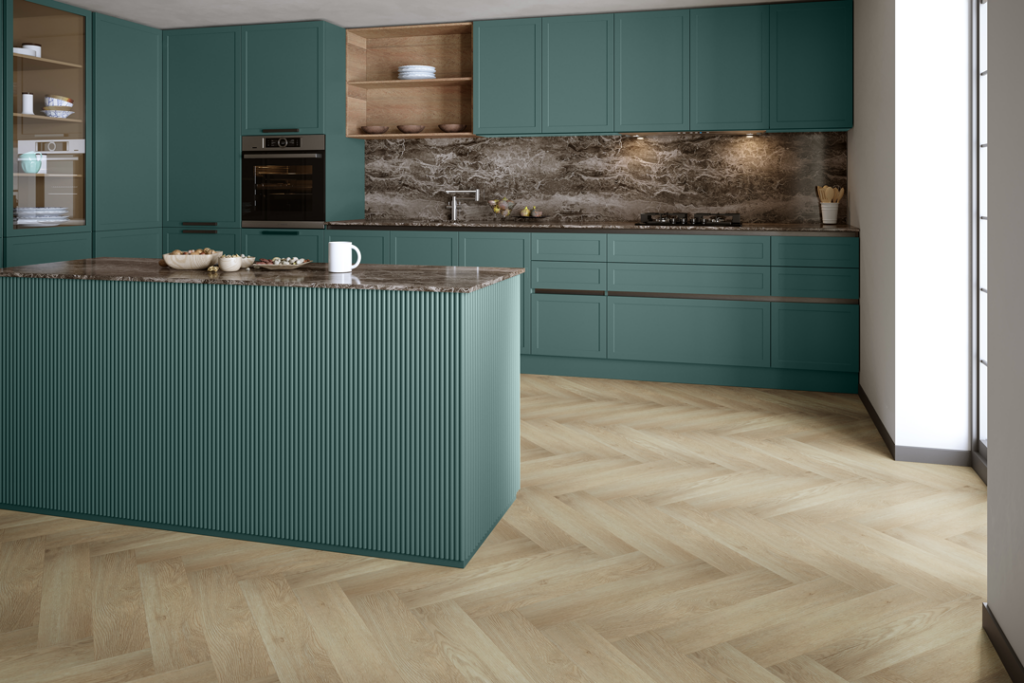
White Oak Herringbone Flooring
White Oak Herringbone Flooring
Answer
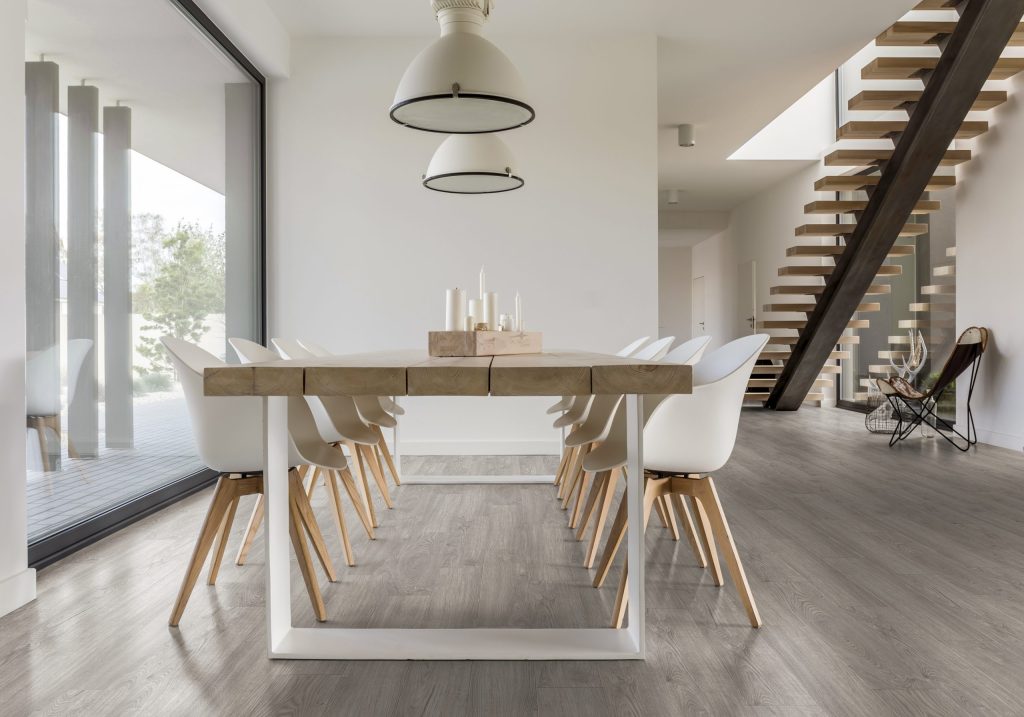
Winter Oak Flooring
Winter Oak Flooring
Answer
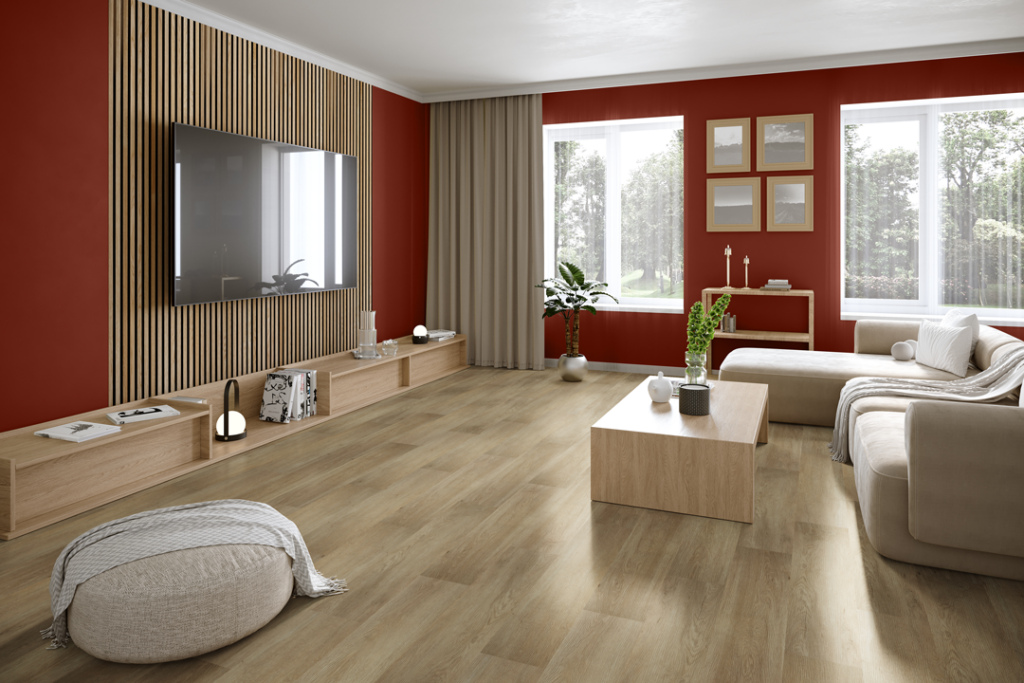
White Oak Flooring
White Oak Flooring
Answer
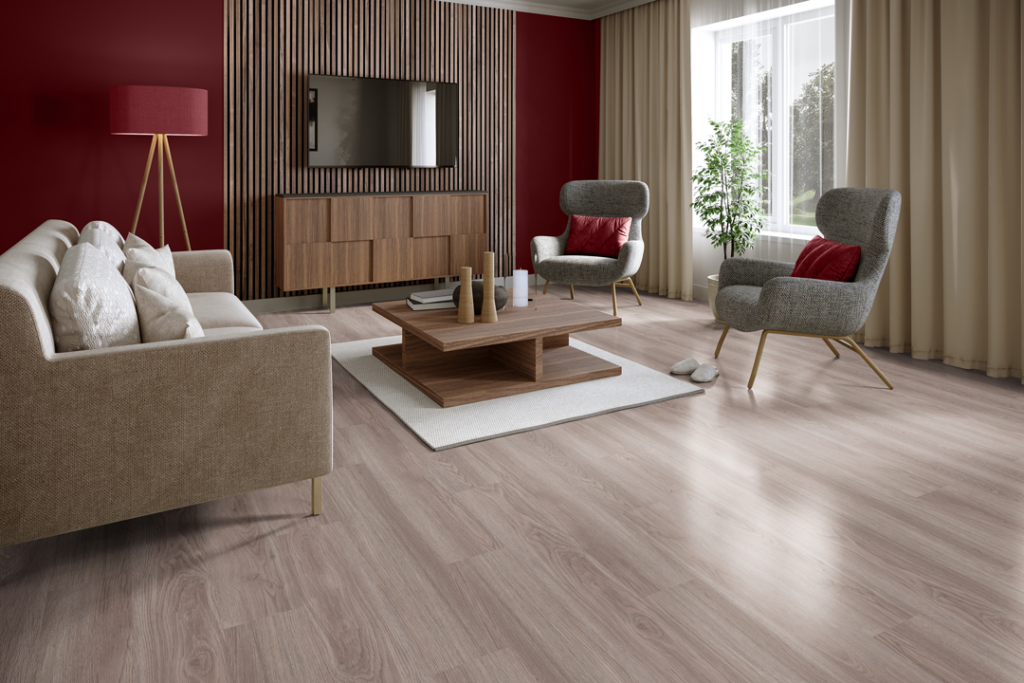
Pearl Oak Flooring
Pearl Oak Flooring
Answer
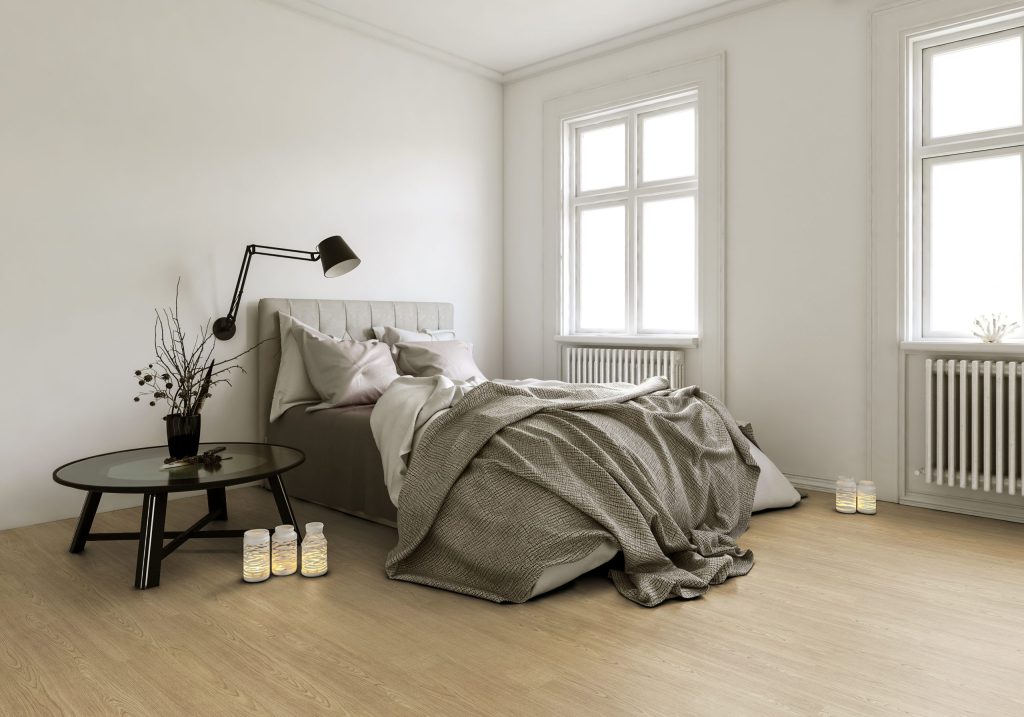
Natural Oak Flooring
Natural Oak Flooring
Answer
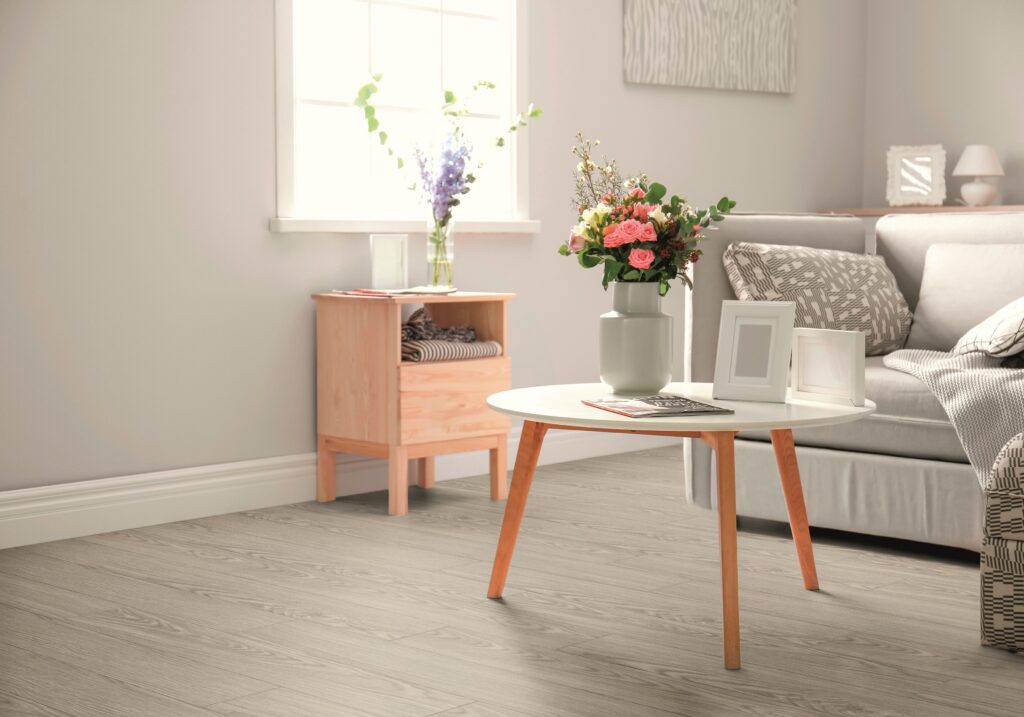
Lakeside Ash Flooring
Lakeside Ash Flooring
Answer
Related Articles
Lino vs Vinyl Flooring: What’s The Difference?
How to Reduce Footstep Noise Between Floors
The Best LVT Floor Cleaner: What to Use (and What to Avoid)
Marble Effect LVT Flooring: How to Get the Luxury Stone Look
Can LVT Flooring Get Water Damaged? Prevention and Solutions Explained
Pets vs. Floors: Hardwood vs. LVT – Which is Better for Pet Owners?
Clay Earth
Midnight Olive
Coastal Cottage
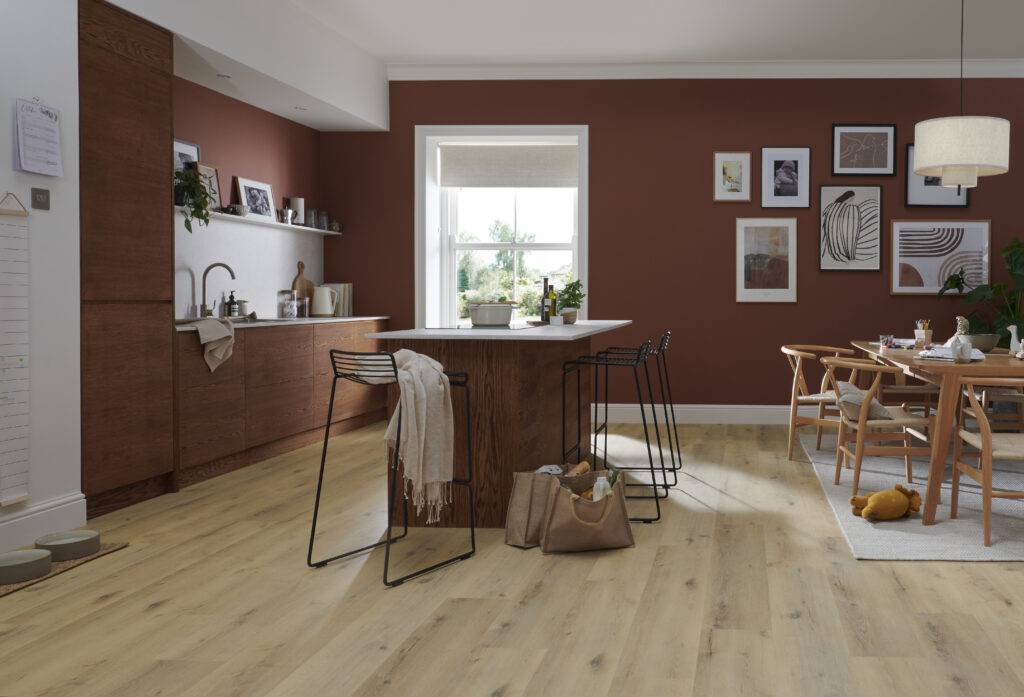
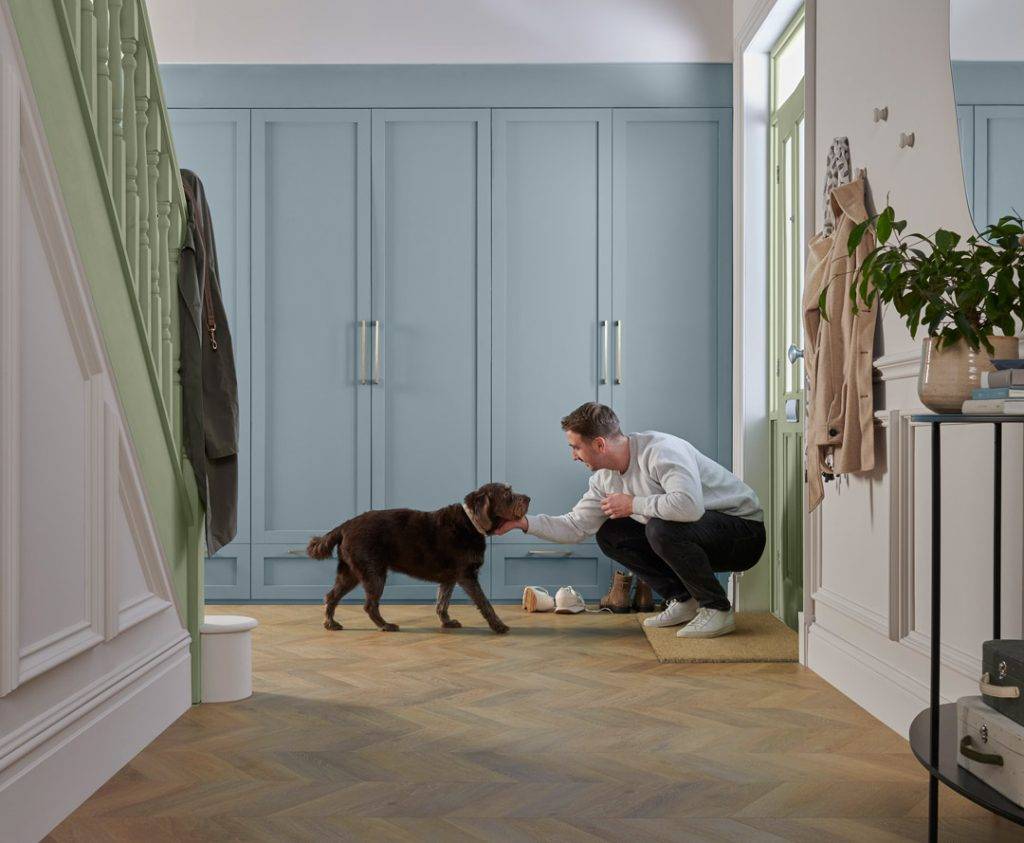

Trends come and go but a Luvanto floor is forever.
Keep your interiors looking show-home worthy with our colour and trend inspiration. As experts in colour forecasting and pairings, we match the latest trends and colours with each of our flooring shades so you can stay tickled pink with your décor all year round.
| Cookie | Duration | Description |
|---|---|---|
| cookielawinfo-checkbox-analytics | 11 months | This cookie is set by GDPR Cookie Consent plugin. The cookie is used to store the user consent for the cookies in the category "Analytics". |
| cookielawinfo-checkbox-functional | 11 months | The cookie is set by GDPR cookie consent to record the user consent for the cookies in the category "Functional". |
| cookielawinfo-checkbox-necessary | 11 months | This cookie is set by GDPR Cookie Consent plugin. The cookies is used to store the user consent for the cookies in the category "Necessary". |
| cookielawinfo-checkbox-others | 11 months | This cookie is set by GDPR Cookie Consent plugin. The cookie is used to store the user consent for the cookies in the category "Other. |
| cookielawinfo-checkbox-performance | 11 months | This cookie is set by GDPR Cookie Consent plugin. The cookie is used to store the user consent for the cookies in the category "Performance". |
| viewed_cookie_policy | 11 months | The cookie is set by the GDPR Cookie Consent plugin and is used to store whether or not user has consented to the use of cookies. It does not store any personal data. |
Building homes from the floor up
Up to 3 FREE Samples